
Sony BRAVIA 3 II
4.1Editor score
Anti-glare large-screen design
HDMI 2.1 gaming
Dolby Vision and Atmos
A 75-inch smart TV can transform a living room, but the best model depends on your room, content, and priorities. Screen size alone does not guarantee excellent color, strong contrast, or responsive gaming. The right set should also be easy to operate, connect to your devices, and support the streaming services you use every day.
We compared all ten models using the supplied specifications, focusing on panel and backlighting technology, resolution, refresh rate, HDR support, smart-platform functions, gaming features, audio, connectivity, and design. The guide includes premium Mini LED and QLED options, Fire TV and Google TV models, and more affordable choices for different needs.
Each review explains the strongest reasons to consider that television and any meaningful trade-offs based on the available information. The list also highlights three standout picks for different priorities. Features and promotions can vary over time, so check the current listing, retailer terms, and your own room conditions before making a final decision.
4.1Editor score

4.3Editor score

4.2Editor score
As an Amazon Associate we earn from qualifying purchases.
This side-by-side overview compares the ten televisions by display technology, refresh rate, smart platform, gaming capabilities, HDR support, and standout features, making it easier to identify the model that best matches your priorities.
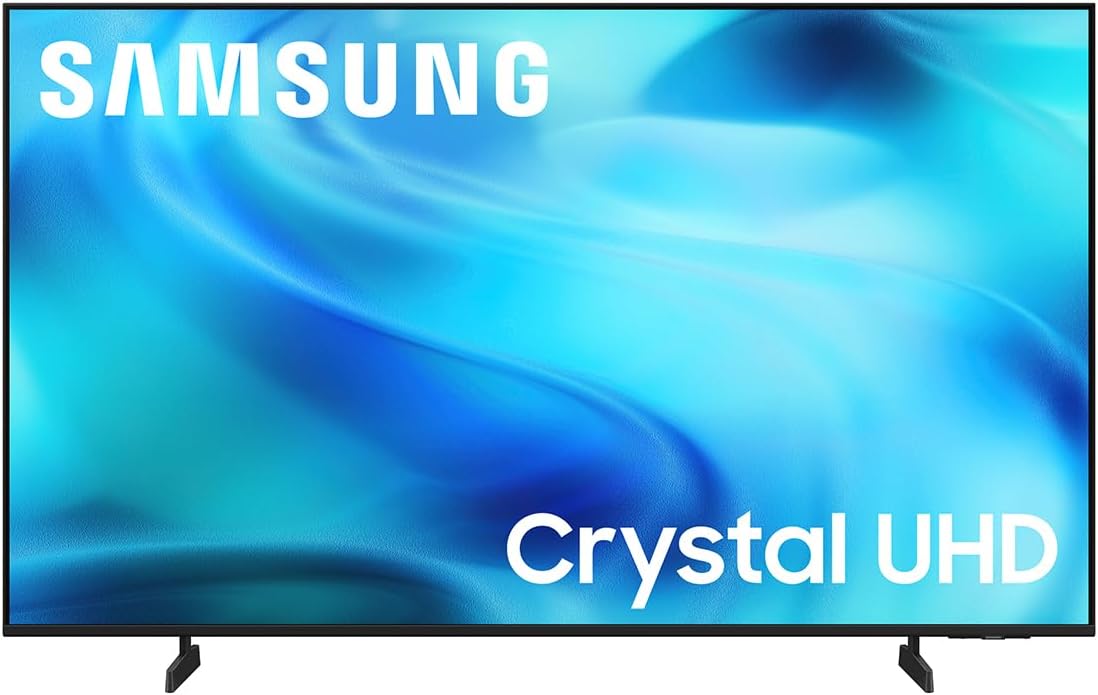


The Samsung M70H Series earns a 4.3 rating and stands out as a balanced 75-inch Mini LED option for buyers who want strong contrast, modern gaming features, and a generous smart-TV library. Its Mini LED backlighting is designed to produce brighter highlights and deeper blacks than traditional television backlighting, while 4K resolution provides the expected level of detail for a large screen.
We may earn a commission when you buy through this link, at no additional cost to you.
Its most persuasive feature is the combination of Pure Color Spectrum, advanced color processing, and Supreme Mini LED Dimming. The supplied specifications also highlight Color Booster, a dedicated Soccer Mode, and Motion Xcelerator with 120Hz performance. The latter analyzes motion to improve clarity during sports, fast camera work, and gaming, making the television more versatile than a conventional 60Hz set.
The trade-offs are that the listing focuses on picture and motion rather than a major built-in audio upgrade, and its color system is not described with the same Quantum Dot emphasis used for Samsung's QLED models. Samsung TV Plus and the Gaming Hub add excellent value, but the practical experience still depends on your subscriptions, connection speed, and room lighting. These limitations are modest for a model positioned around Mini LED performance.
This is an excellent choice for a large living room, sports viewer, or mixed-entertainment household that wants premium-style backlighting without starting at the top of the television market. It is particularly attractive if Samsung's free content and gaming interface appeal to you. For most buyers, the M70H Series offers one of the strongest balances of picture technology, motion handling, and smart functionality in this list.
A 75-inch panel benefits from deeper blacks and brighter highlights because strong contrast helps preserve visible detail. The M70H's Mini LED dimming is designed to make dark scenes appear deeper while maintaining the punch needed for bright sports, films, and HDR content.
The 120Hz Motion Xcelerator is a major attraction for fast action, while Soccer Mode is said to improve motion clarity and green tones. The Gaming Hub gathers console, cloud, and app-based games into a single starting point, which simplifies access even though it does not replace a dedicated gaming display.
We may earn a commission when you buy through this link, at no additional cost to you.
The Samsung U8000H Series has a 4.2 rating and delivers the core Samsung smart-TV experience at a more straightforward specification level. Its Crystal Processor supports 4K upscaling, Color Booster, and Motion Xcelerator, while Samsung TV Plus provides access to a large collection of free channels and streaming options.
We may earn a commission when you buy through this link, at no additional cost to you.
The strongest reason to consider this model is its balance of useful processing and accessible smart features. It can sharpen lower-resolution content, enhance color intensity, and adjust frame transitions for sports and games. The platform includes 2,700 or more free streaming options, including 750 or more subscription-free Samsung TV Plus channels, which can be particularly valuable for viewers who do not want every viewing option to require a separate subscription.
Its main limitation is performance for fast motion. The specifications describe up to 4K 60Hz performance rather than the 120Hz or 144Hz capabilities found among several rivals. It also uses a standard Crystal UHD presentation rather than Mini LED or QLED, so buyers prioritizing deeper blacks, higher peak brightness, or advanced local dimming should look elsewhere.
Choose the U8000H if you want a large, familiar Samsung experience, a strong selection of free programming, and useful upscaling without paying for the company's most advanced picture hardware. It is a sensible fit for casual streaming, television, sports, and general household use, especially when the primary goal is a large screen with smart convenience.
Not every title arrives in native 4K, and the U8000H's 4K upscaling is intended to improve detail in those sources. The Crystal Processor also adjusts colors and picture sharpness, while Color Booster can make supported content appear more vivid.
Samsung TV Plus is a meaningful advantage for households that want news, sports, movies, and other programming without committing to a subscription for every channel. Recommendations and regularly updated content add further convenience.
We may earn a commission when you buy through this link, at no additional cost to you.
The INSIGNIA F50 Series carries a 4.2 rating and is the most practical value-oriented television in this guide. It combines 4K Ultra HD, HDR10, direct LED backlighting, Fire TV, and an Alexa Voice Remote while avoiding the specification complexity of the higher-end Mini LED and premium QLED models.
We may earn a commission when you buy through this link, at no additional cost to you.
Picture quality benefits from direct LED backlighting, which the manufacturer says provides a more uniformly bright screen, improved color accuracy, and stronger contrast. HDR10 adds brighter whites, deeper blacks, and a broader range of visible color detail. Audio is handled by DTS Virtual-X, which is designed to create a more dimensional presentation using the television's built-in speakers.
Its most impressive practical strength is connectivity. Three HDMI ports, composite inputs, digital optical output, USB, headphone, coaxial, Ethernet, and Wi-Fi provide options for game consoles, media players, cable or antenna equipment, and a soundbar or receiver. HDMI ARC and HDMI eARC support can simplify wired audio connections, although the listing does not specify a high-refresh gaming feature set.
This television is best for buyers who want the size first, need a broad selection of Fire TV applications, and would rather direct money toward an external sound system or gaming console. It is less suited to enthusiasts who prioritize deep local-dimming contrast, 120Hz gaming, or the most advanced motion processing, but the F50 remains a complete and approachable 75-inch package.
The generous port selection makes it easy to connect a game console, streaming stick, Blu-ray player, antenna, sound system, and other components. HDMI eARC is particularly useful when a compatible soundbar is the preferred way to improve the built-in audio.
The platform supports major services such as Prime Video, Netflix, Hulu, HBO Max, YouTube, Apple TV+, Disney+, ESPN+, Sling TV, and Paramount+. Alexa can search across apps, launch content, switch inputs, and control compatible devices by voice.
We may earn a commission when you buy through this link, at no additional cost to you.
The Sony BRAVIA 3 II earns a 4.1 rating and is the premium cinema and gaming choice in this list. It combines a 75-inch LED 4K HDR display with anti-glare technology, Dolby Vision, Dolby Atmos, DTS:X, Sony Picture Core, and an XR Processor that uses AI scene recognition to optimize color, contrast, and clarity.
We may earn a commission when you buy through this link, at no additional cost to you.
Its picture system is particularly well suited to films. XR Triluminos Pro is advertised as reproducing more than a billion real-world colors, XR Clear Image restores lost detail and reduces noise, and Motionflow XR is intended to keep fast action clear. The included Sony Pictures Core content and IMAX Enhanced collection make the television useful before additional streaming subscriptions are purchased.
For gamers, the strongest advantages are HDMI 2.1 support for 4K at 120Hz, VRR, and ALLM, plus dedicated PS5 features such as Auto HDR Tone Mapping and Auto Genre Picture Mode. The trade-off is that it does not use Mini LED backlighting, so buyers seeking many precision lighting zones or exceptionally deep blacks may prefer one of the Mini LED alternatives.
The BRAVIA 3 II is ideal for movie enthusiasts, PlayStation owners, and households that want a polished smart-TV platform with cinematic audio and picture support. It is also particularly appealing when windows or ambient light could cause reflections. In a carefully considered home theater, its processing, anti-glare design, and gaming integration justify choosing it as the premium option.
A large television is more likely to reflect nearby windows and lamps, especially with a dark panel design. Sony's anti-glare feature is available on the larger screen sizes and is designed to preserve clarity in mixed lighting.
Beyond 4K 120Hz, VRR, and ALLM, the dedicated Game Menu and PlayStation-specific picture features make the set especially convenient for modern consoles. Automatic HDR tone mapping and genre-based picture modes reduce the need for manual adjustment.
We may earn a commission when you buy through this link, at no additional cost to you.
The Hisense U6 Pro has a 4.3 rating and stands out as a high-performance 75-inch Mini LED television with a native 144Hz refresh rate. Its combination of Hi-QLED color, hundreds of Mini LED lighting zones, Dolby Vision IQ, HDR10+ Adaptive, and a glare-free display makes it especially compelling for mixed-content and bright-room use.
We may earn a commission when you buy through this link, at no additional cost to you.
The native 144Hz rate and Motion Rate 480 give the set an advantage for competitive gaming and rapid live sports. Its Hi-View AI Engine automatically adapts picture processing to different content, while Hi-QLED technology and PANTONE validation target accurate color across landscapes, skin tones, uniforms, and game environments. The built-in subwoofer also offers more low-frequency emphasis than a basic television speaker.
Hisense goes further than many rivals in format support, offering Dolby Vision IQ, HDR10+ Adaptive, HDR10, and HLG. It is also IMAX Enhanced certified and supports DTS-powered immersive audio. The potential downside is complexity: Fire TV recommendations, Alexa+, numerous picture modes, and adaptive features may take time to configure, and the built-in sound still may not satisfy a dedicated audio enthusiast.
This is an excellent match for gamers, sports fans, and viewers who want a premium feature set without selecting the most expensive television in the group. Its anti-reflection treatment also helps in bright rooms, while the unibody slim design should integrate neatly into a contemporary living space. For many buyers, the U6 Pro offers the strongest balance of refresh rate, HDR, audio, and practical picture features here.
A native 144Hz panel is especially useful when paired with a current-generation game console or PC capable of driving a high refresh rate. It provides a clearer foundation for fast movement than the 60Hz and 120Hz alternatives in this list.
Dolby Vision IQ and HDR10+ Adaptive are valuable for modern streaming, while the anti-reflection and glare-free treatment helps maintain a clean image in daylight. IMAX Enhanced mode adds another cinema-oriented presentation option for compatible content.
We may earn a commission when you buy through this link, at no additional cost to you.
The Samsung Q7F Series receives a 4.3 rating and offers a polished combination of QLED color, AI picture processing, HDR enhancement, smart features, and object-aware sound. Its 4K upscaling is intended to improve lower-resolution sources, while the Q4 AI Gen1 processor adapts color, audio, and picture output to the type of content being viewed.
We may earn a commission when you buy through this link, at no additional cost to you.
Quantum Dot technology is the defining visual feature. The listing describes nano-sized Quantum Dots that can display the full color spectrum and more than a billion shades, even in bright scenes. Dynamic tone mapping through HDR10+ is designed to produce deeper blacks, brighter highlights, and more visible detail, while Samsung's extensive free-content ecosystem reduces dependence on paid subscriptions.
Object Tracking Sound Lite can place audio effects in the scene, which gives the built-in speakers more spatial character than a conventional stereo arrangement. However, the Lite designation and QLED rather than Mini LED backlighting represent sensible compromises. Those seeking hundreds of local lighting zones, very deep blacks, or the very high refresh rates offered by newer Mini LED sets should look further up this list.
The Q7F is a strong all-rounder for a modern living room, particularly if you enjoy Samsung TV Plus, want a 75-inch screen without requiring a gaming refresh rate above 60Hz, and care more about polished color and smart convenience than a dedicated home-theater audio system. Alexa is built in, and Samsung's privacy protections add reassurance for connected devices.
Quantum Dot color is especially useful on a large screen because it can maintain a broad color range without losing saturation as brightness increases. That makes the Q7F relevant to rooms where reflections or daylight are difficult to eliminate.
Samsung TV Plus provides hundreds of free channels and access to free streaming apps. Combined with AI recommendations, upscaling, built-in Alexa, and Samsung Knox Security, it creates a convenient platform for connected viewing.
We may earn a commission when you buy through this link, at no additional cost to you.
The TOSHIBA M450 Series has a 4.3 rating and combines QLED color, REGZA picture processing, Fire TV, and a minimalist design inspired by Japanese aesthetics. Its REGZA AI Engine ZRi Gen3 is designed to improve both picture and sound, while AI 4K Clarity upscales lower-resolution content and reduces visible noise.
We may earn a commission when you buy through this link, at no additional cost to you.
The set supports Dolby Vision and Dolby Atmos, providing broad appeal for both cinematic streaming and compatible gaming. HDR10+ Adaptive makes scene-by-scene brightness and contrast adjustments, while REGZA QLED technology is designed to reproduce richer color and more natural tonal separation. REGZA Power Audio uses clear direct speakers for a more balanced, direct presentation.
Its Game Mode supports ALLM, VRR, and eARC, although the product data does not claim a native 120Hz or 144Hz refresh rate. It also uses standard QLED technology rather than Mini LED backlighting. As a result, buyers who prioritize fast gaming or the deepest possible black levels will find stronger alternatives among the Hisense, Samsung, and TCL models.
The M450 is well suited to buyers who want a refined 75-inch television with strong color, familiar Fire TV access, and a modern appearance. Its appeal lies in a balanced set of entertainment features rather than a single headline specification. It is a particularly good fit for mixed households that value cinematic formats, convenient voice control, and a television designed to blend into the room.
The REGZA AI Engine is tuned to optimize picture and sound according to the source, while AI 4K Clarity targets sharpness and noise in lower-resolution material. These tools are particularly relevant because streaming quality and broadcast sources can vary widely.
Recommendations, watchlists, resume functions, and Alexa voice control simplify finding and managing content. The set also supports major streaming services through Fire TV, making it a straightforward option for households already invested in that ecosystem.
We may earn a commission when you buy through this link, at no additional cost to you.
The Samsung M80H Series earns a 4.3 rating and represents a step up from the M70H with a more advanced feature set. Its Mini LED backlighting, NQ4 AI Gen2 processor, 144Hz Motion Xcelerator, AI Mode, and Auto HDR Remastering make it particularly compelling for viewers who want both strong picture processing and rapid motion.
We may earn a commission when you buy through this link, at no additional cost to you.
The processor analyzes and enhances content in real time to improve sharpness, color, motion, and sound. Auto HDR Remastering is intended to transform standard dynamic-range sources into a more HDR-like presentation, while 4K AI Upscaling targets streaming and broadcast material that does not arrive in native 4K. Variable Refresh Rate is also listed, helping the television match output more closely to compatible games.
This is a high-specification set, so buyers should confirm that the advanced picture and gaming features matter enough to justify the move beyond more conventional 4K televisions. The supplied information provides less detail about the built-in audio than some competing listings, and a separate soundbar may be desirable for movies and music. Its AI Mode and adaptive features can also make the most sense after initial calibration.
The M80H is a strong recommendation for Samsung enthusiasts, gamers, and movie watchers who want a modern 75-inch Mini LED television with high-refresh motion and extensive processing. It is especially appropriate for a bright, busy room where a high-refresh 144Hz panel and strong local contrast can make a visible difference over simpler 60Hz LED models.
The 144Hz Motion Xcelerator and variable refresh rate provide a more fluid foundation for fast games and live sports than standard 60Hz televisions. They also give compatible PC gamers access to a broader range of frame-rate options.
Auto HDR Remastering and 4K AI Upscaling can make older, compressed, or lower-resolution material look more vivid and detailed. The NQ4 AI Gen2 processor adds real-time scene analysis to support both picture enhancement and sound processing.
We may earn a commission when you buy through this link, at no additional cost to you.
The Samsung QN70H Series has a 4.2 rating and blends Neo QLED Mini LED technology with Quantum Dot color. That makes it a compelling choice for buyers who prioritize cinematic contrast and color accuracy but do not need the very high refresh rates emphasized by several gaming-focused sets in this guide.
We may earn a commission when you buy through this link, at no additional cost to you.
Quantum Mini LED backlighting is designed to clarify dark scenes and make bright content more dazzling, while 100% Color Volume technology is intended to preserve a wide range of shades at different brightness levels. The NQ4 AI processor adapts color, sound, and picture output based on the content, and Color Booster Pro modifies hues in real time for a more vivid result.
Unlike the M80H and Hisense U6 Pro, the supplied specifications do not advertise a 120Hz or 144Hz refresh rate, so the QN70H is less obviously focused on high-speed gaming. It also costs more than many conventional 4K sets, making picture quality the key reason to select it. The trade-off is reasonable for a 75-inch display because larger screens make contrast and color quality especially visible from normal viewing positions.
This Samsung is well suited to film and television enthusiasts, sports viewers in moderately bright rooms, and anyone who values a sophisticated smart-TV platform. It may not be the first choice for competitive gamers, but for viewers focused on picture quality, the Neo QLED combination can deliver a more refined image than standard LED or entry-level QLED alternatives.
Mini LED lighting improves the control of brightness across the screen, allowing brighter highlights to coexist with darker shadows. Pairing that capability with Quantum Dot color helps the set deliver both strong contrast and a broad, saturated palette.
The NQ4 AI processor and 4K upscaling work together to clarify lower-quality content, while Color Booster Pro can increase visual intensity. These functions are useful for the mix of streaming, broadcast, and gaming material commonly viewed on a large Samsung television.
We may earn a commission when you buy through this link, at no additional cost to you.
The TCL QM6K receives a 4.3 rating and brings together QD-Mini LED picture technology, a native 144Hz refresh rate, extensive HDR support, Google TV, and Onkyo audio. It is positioned as an attainable premium option for households that want advanced large-screen performance without moving beyond the Mini LED category.
We may earn a commission when you buy through this link, at no additional cost to you.
Its picture system combines ultra-precise Mini LED lighting with Quantum Dot color. The TCL Halo Control System is intended to reduce blooming, improve shadow detail, and keep bright objects from creating distracting halos around darker areas. Dolby Vision, HDR10+, HDR10, and HLG support ensure compatibility with the leading high-dynamic-range formats used by streaming services and game consoles.
The native 144Hz panel and Motion Rate 480 make this one of the strongest choices for fast sports and high-performance gaming. Google TV provides a centralized interface for apps and discovery, and the listed Onkyo audio adds appeal for viewers who do not plan to add a soundbar immediately. The main trade-offs are the relatively premium price of this technology tier and the number of advanced picture controls that may require calibration.
Choose the QM6K for gamers, sports fans, and home-theater viewers who want a 75-inch 4K television with a high native refresh rate, flexible HDR support, and a modern smart platform. It combines several features that are usually found separately, making it a particularly interesting option when picture quality, responsiveness, and everyday streaming convenience must all be accommodated.
Large Mini LED screens can suffer from bright halos when local dimming reacts imperfectly around bright objects. TCL's Halo Control System focuses on suppressing that effect while improving shadow detail and overall picture accuracy.
The 144Hz native refresh rate and Motion Rate 480 distinguish the QM6K from many 60Hz large-screen sets. That advantage is particularly visible with fast games, live sports, and modern consoles that can drive high frame rates.
We may earn a commission when you buy through this link, at no additional cost to you.
A 75-inch television is a major room-filling purchase, so the best choice should balance picture technology, motion performance, smart convenience, sound, and connectivity. Use the following factors to compare models according to your viewing habits and installation plans.
A 75-inch screen can deliver an immersive home-theater experience, but it should be positioned where the picture fills a comfortable portion of your field of view. For many living rooms, viewing from across a sofa or several rows of seats works well, while smaller rooms can make the screen feel overwhelming. Consider where you normally watch, whether the television will be wall-mounted, and whether furniture or cabinetry limits its placement.
Choose 75 inches only when it suits your room and seating rather than simply because it is the largest available option. Installation planning should also account for the television's weight, ventilation clearance, cable routing, and the viewing height of seated viewers.
The backlighting system largely determines how well a large screen handles dark scenes. Direct LED models provide an accessible foundation, QLED adds Quantum Dot color, and Mini LED uses numerous smaller lighting zones to improve brightness control. These differences become more apparent in dim rooms and with letterboxed cinema content, where deep blacks help preserve shadow detail.
Prioritize Mini LED when contrast is a major concern. If you watch mostly in a bright room or care more about saturated color and smart features than precise black levels, a well-configured QLED or standard LED model may still be very satisfying.
Refresh rate matters most for competitive gaming, fast sports, and motion-heavy films. A 60Hz panel can handle everyday television well, while 120Hz and 144Hz models provide more headroom for high-frame-rate consoles and PCs. Motion processing features may improve the perceived clarity of movement, but a higher native refresh rate remains a useful foundation for responsive action.
Choose 120Hz or 144Hz if you game regularly or want the television to remain ready for newer console and PC capabilities. For dramas, news, and conventional gaming, 60Hz may be adequate, provided the picture processing and panel performance are priorities.
High Dynamic Range content can create brighter highlights, richer color, and better contrast, but support for the right format matters. Dolby Vision is common in major streaming catalogs, HDR10+ appears across other services and consoles, and HLG provides another broadcast-oriented standard. Gaming consoles and some Blu-ray content may also use standard HDR10.
Look for broad format support rather than relying on a generic HDR badge. The best television for you should render the formats you actually watch, and its brightness and local dimming must be capable of creating a meaningful HDR advantage.
This roundup includes Samsung's Tizen-based platform, Fire TV models, and Google TV systems. Samsung TV Plus supplies a substantial collection of free channels, Fire TV provides broad access to major streaming applications, and Google TV adds live discovery features and Gemini integration. Each platform has strengths, but your existing subscriptions and preferred voice assistant can narrow the field.
Think about how you will use the television after setup. If you mostly browse streaming apps, prioritize navigation, recommendations, and resume features. If you value free programming, Samsung's channel selection deserves close attention. If you want integrated help and smart-home control, compare Alexa, Google, and Gemini support based on the devices already in your home.
Gaming support extends beyond a 4K label. HDMI 2.1 can enable 4K at 120Hz on compatible devices, while Variable Refresh Rate matches the television's refresh timing to the game frame rate. Auto Low Latency Mode can reduce input lag automatically, and dedicated game menus make picture adjustments easier to manage.
For competitive gaming, prioritize native high refresh rates, VRR, and ALLM. For a large-screen television used mainly with consoles, a good game mode and low-latency behavior may be enough. Check that the console, television, and selected input are all compatible with the highest advertised resolution and frame-rate combination.
Large screens often pair with large rooms, where compact television speakers may struggle to create convincing scale. Dolby Atmos support, object-tracking audio, clear direct speakers, and a built-in subwoofer can improve the built-in result, but they do not necessarily reproduce a dedicated surround system. Headphone, optical, and eARC connections allow you to add a soundbar or receiver later.
Decide whether the television's speakers will be your primary system. If so, examine the listed audio features and consider adding a soundbar for dialogue clarity and greater impact. If you already own a sound system, verify ARC, eARC, or the appropriate input before finalizing the television choice.
A modern television should have enough HDMI ports for a console, media player, and streaming device without requiring constant swapping. USB, Ethernet, optical audio, composite, coaxial, and headphone connections can add flexibility, while built-in Wi-Fi and streaming apps determine how quickly the set can begin serving entertainment after installation.
Count your current and planned source devices, then check the available inputs and wall-mount pattern. For a large television, cable management and support placement deserve attention as well. A neatly planned installation protects access to ports and reduces unnecessary cable clutter around the screen.
Begin by choosing a suitable location, checking the wall-mount pattern if applicable, and leaving adequate ventilation around the set. Connect source devices before adding the final cable-management covers, label each input, and use the television's picture and sound menus to set the display according to your room lighting. For most users, a picture mode intended for normal home viewing is easier to maintain than an aggressively calibrated or overly vivid preset.
Update the television's software after setup, sign into the selected content account, and decide which voice assistant and streaming services you want available. Download required streaming applications, test the intended high-refresh input if you own a compatible console, and enable automatic game features when appropriate. If using a soundbar or receiver, select the matching audio output and disable television speakers only after confirming that the new arrangement is working correctly.
For daily care, dust the set with a soft, dry cloth and avoid pushing debris into narrow bezels or vents. Do not use liquid cleaners directly on the screen, and keep liquids away from the television. Leave the set powered off during long periods of inactivity if that matches your energy preferences, and review installed applications, account permissions, and connected smart-home devices periodically to maintain a secure and tidy setup.
It depends on the room dimensions, seating arrangement, and viewing distance. A 75-inch television can feel right when the primary seat is several feet away, but it may dominate a compact room. Consider the wall space, furniture clearance, and whether you prefer an immersive image or a more understated arrangement.
Picture quality is the foundation, and the most useful technologies are 4K resolution, accurate color, and a backlight capable of delivering strong contrast. Mini LED is especially appealing for darker rooms, while QLED models can provide rich color and broad brightness. Smart features, gaming performance, and sound should then be matched to your priorities.
Mini LED uses many smaller backlight zones, which can improve contrast, highlight brightness, and detail compared with a standard direct LED backlight. The improvement is most visible in dark scenes and high-contrast content. It is not automatically better in every room, because screen brightness, processing, and viewing conditions also influence the result.
A higher refresh rate benefits competitive games, fast sports, and high-frame-rate PC gaming, but it is not essential for every console experience. If your television, console, and game support 120Hz or 144Hz, the feature can provide smoother motion and more responsive presentation. A 60Hz television remains suitable for many single-player games and everyday viewing.
The easiest platform depends on your preferences and existing subscriptions. Fire TV is straightforward for Amazon-oriented households, Google TV supports major streaming services and Gemini, and Samsung TV Plus offers extensive free programming. The best test is to compare navigation, search, remote control, and the applications you use most often.
Built-in speakers are convenient, and several models include features such as Dolby Atmos, direct speakers, object tracking, or a subwoofer. Nevertheless, a soundbar or receiver can provide clearer dialogue, stronger bass, and more convincing surround effects in a large room. Choose based on your audio priorities and whether the television offers suitable HDMI ARC or eARC connectivity.
No. Screen size does not determine resolution, contrast, color accuracy, or motion performance by itself. A well-equipped 75-inch model can look excellent, while a poorly implemented larger set may not satisfy a careful viewer. Evaluate the panel and processing technology alongside size, and also consider whether the set fits your room.
Keep the screen away from direct liquid, use a soft dry cloth, and avoid pressing on the panel or exposing it to excessive heat. Maintain ventilation around the set and handle it with appropriate support when moving it. Cleaning products should be applied to the cloth rather than sprayed directly onto the screen.
The Samsung M70H Series is a strong all-around selection with Mini LED contrast, 120Hz motion processing, Samsung's free-content ecosystem, and a useful Gaming Hub. The Sony BRAVIA 3 II serves as the premium pick for cinematic viewing, anti-glare comfort, and PlayStation-focused gaming, while the INSIGNIA F50 Series provides the most approachable way to enter the 75-inch category.
Your priorities should determine which features come first. Choose the Hisense U6 Pro or TCL QM6K for native 144Hz gaming, the Samsung M80H for advanced AI processing and high-refresh Mini LED performance, and the Samsung QN70H when Neo QLED color and contrast matter most. The Toshiba M450 and Samsung Q7F serve well as balanced QLED alternatives, while the Samsung U8000H prioritizes straightforward 4K and free streaming.
Before purchasing, verify the television's physical fit, current feature and app availability, required connections, and the latest retailer terms. Promotions and prices change, but the specifications and intended use cases in this guide provide a durable framework for comparing the best 75 Inch Smart TV options for your home.
